Pages

Granny Smith Apples

Granny Smith Apples

Sunday, 10 November 2013

I am Disabled. You are Disabled. We are all Disabled.


There, I said it.  It's a bold statement and I know it is so before the battle cries begin please hear me out.

I am disabled because I do not have one shred of artistic talent.  I can see art.  I can appreciate art.  I want to create art.   But I can't.  There is a disconnect between the visions in my head and my hands that have to do the  creating.  This disability causes me difficulty when I am asked to draw a picture.  Even now, I revert to stick men and very little detail.  In elementary school we were asked to draw a picture of our favourite season.  I drew autumn because I had perfected drawing a tree and bare branches.  This disability can paralyze me.  It took me almost a month of hemming and hawing to get this website started because I couldn't imagine an original design and then actually produce it.  I am disabled.  In my disability, I have been able to show strength as I have approached the challenges.  I chose to become a teacher where I could use my artistic skills minimally.  When I need to create a bulletin board or prepare an art lesson, I have learned to ask for and accept help.  Asking for and accepting help are hard things to do and they are humbling.  In my disability, I have learned coping skills to help me minimize my weakness and maximize my strengths.  

I need to stop here and address something before I continue.  In no way does my lack of artistic talents compare to the very real and frustrating challenges faced by a person with autism, Down's Syndrome, Cerebral Palsy or any other recognized disability.  I know the challenges my "disability" present me with are incomparable to the the challenges of these other disabilities.  Please do keep reading to hear my point. 

Special Education Students and the High School Classroom


What is teaching high school science to special education students like?  For me, teaching science to special education students has meant hearing phrases such as:

"You know the day you lost me was when you said, "Hi, my name is Ms. Lau."
"I'm only in Grade 9 math.  I can't do this." (from a Grade 10 student said with arms crossed and while putting down the pencil) 
"SHUT UP!  Let's just take our notes and then we can have our free time.""What's the point of this? 
 It's not like I'm ever going to use this." 
"Are we going to the lab today?" (said in the hopes of being able to do something besides writing notes and completing worksheets)

Teaching high school science to special education students has meant seeing students place headphones over their ears in the hopes of having some distraction from the drone of science talk.  It has meant taking up to half of a 75 minute period waiting for the students to be quiet so that a lesson can be taught.  It has mean standing over individual students prodding them to focus at the assignment at hand even when the rest of the class is in chaos.  It has meant knowing that although notes are being copied and texts are being read but there is no connection or stimulation of the mind going on.  My personal experience of teaching high school science to special education students often seems bleak.  It is hard to fathom that actual learning could take place amidst the resistance to the science material.

Friday, 8 November 2013

Weekend Links


Thursday, 31 October 2013

Sticker Charts that Stick


I was losing it.  Little things were exploding into big things.  My sleep deprived brain was taking away the patience I desperately needed.  I needed to take control of the situation rather than constantly react.  My brain went into teacher mode and as I ran through the strategies I settled on the sticker chart.  Now it was time to put theory into practice.

Friday, 18 October 2013

Independent Living Skills or Academics?


 © Copyright Toby and licensed for reuse under thisCreative Commons Licence


  • Would you rather your child be able to follow directions or able to count from 1-10?
  • Would you rather your child be able to independently get ready for school in the morning or would you rather them be able to read?
  • Would you rather your child be able to communicate effectively using visuals or communicate with difficulty verbally?
  • Would you rather your child be able to live on their own or would you rather them have a high school leaving diploma?

Saturday, 12 October 2013

Weekend Links

Thursday, 10 October 2013

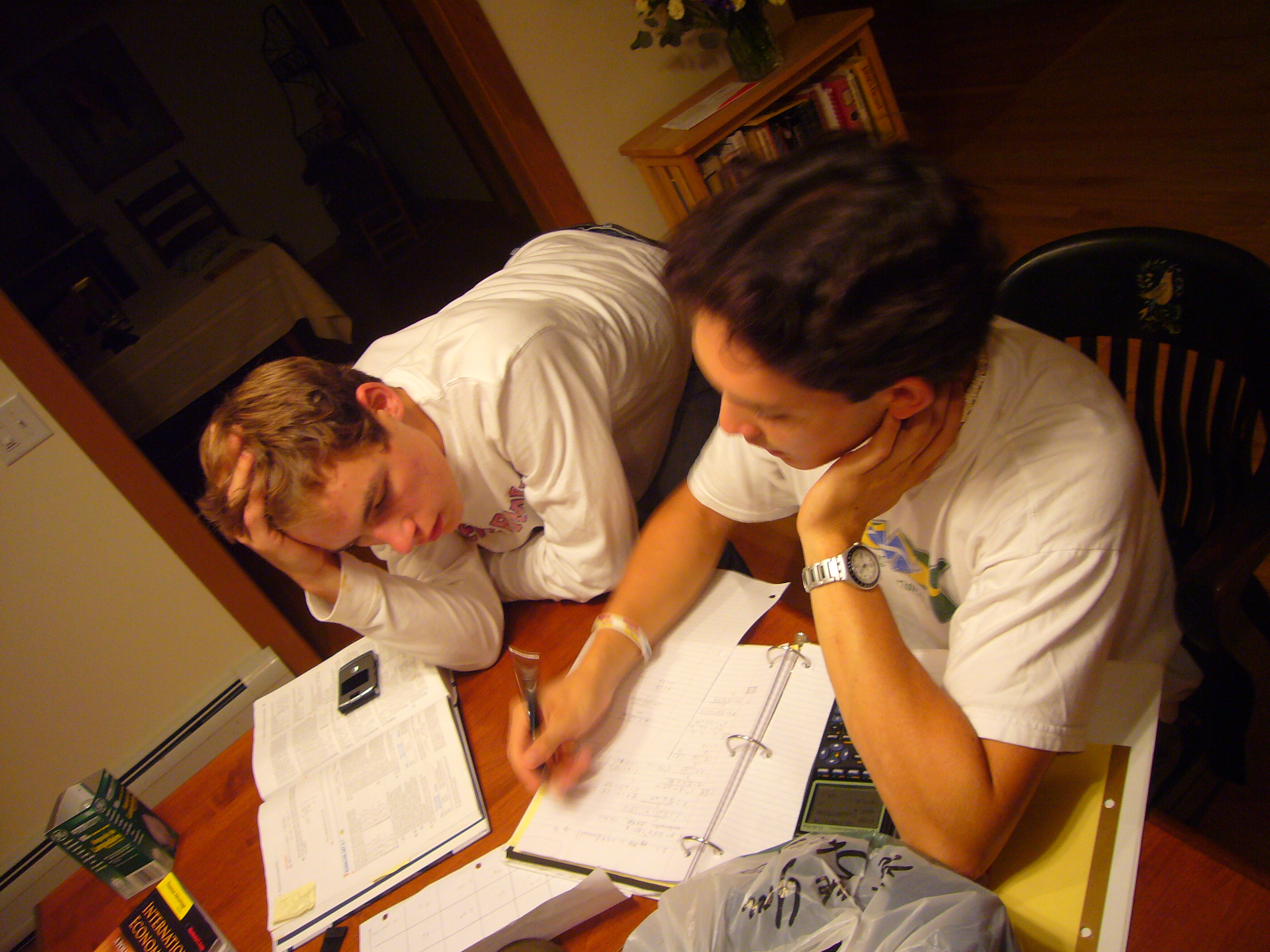
Tutoring. To Do or Not To Do?


If your child is having any difficulty in school what is the first resource you think of?  Most parents will begin to look at tutoring for their child.  It seems like a simple answer but it's not.  How do you find a tutor and what concrete expectations can you have?  Do you want the tutor to work on your child's homework or do you want the tutor to work on supplemental teaching material?  How many hours of tutoring do you need?  What qualifications does your tutor need?  Most of all, how do you know tutoring will be effective in helping your child see more success academically?